In 2021, just past, internationalOil Price oil prices climbed all the way, at one point exceeding USD 85 per barrel, with an annual average of USD 71 per barrel, the highest in three years; as the global energy transition grows more urgent, more and more oil and gas companies are setting emission reduction targets; helped by the oil price recovery, US oil and gas industry revenue rose substantially, while upstream consolidation also accelerated...
Driven by the fundamentals of long-term climate policy, in compliance markets including the EU Emissions Trading System and China's national carbon emissions trading system,Carbon Prices to Keep Rising in 2022. There are now more than 60 carbon pricing schemes at international, national and local levels. To meet decarbonization commitments, governments will keep raising current carbon tax levels and introduce new carbon tax policies. The Norwegian government, for example, has proposed nearly tripling the overall carbon tax rate on upstream oil and gas operations by 2030 to more than USD 250 per tonne.
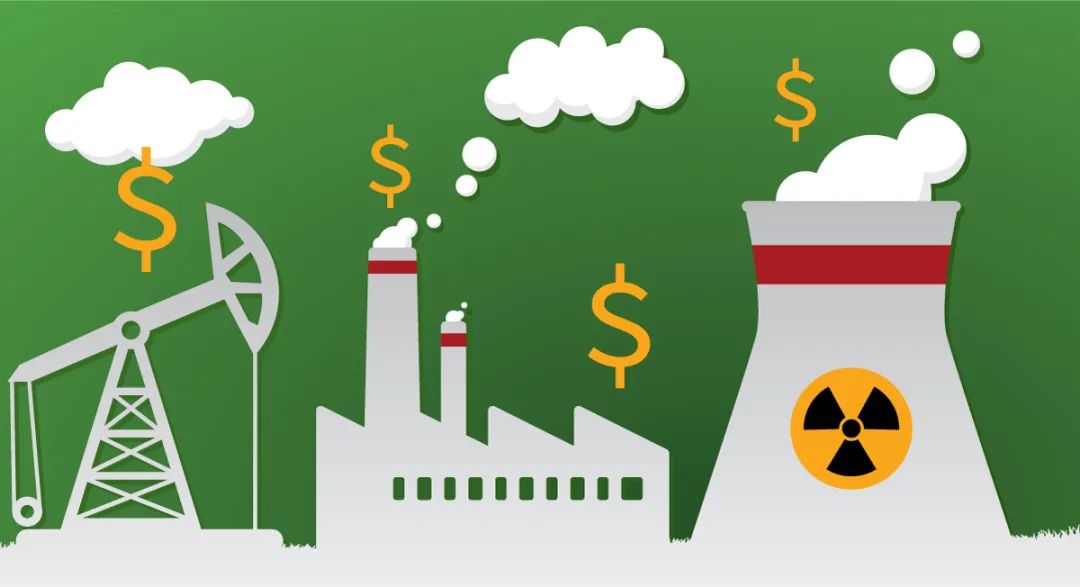
At the corporate level, meanwhile, as major emitters, more and more oil and gas companies have announced net-zero targets amid the global energy transition — even Chevron, a conservative standard-bearer, has set a 2050 net-zero carbon target for its operations. To meet their net-zero targets, some companies either buy carbon allowances on the market to cover high-carbon production when their quotas fall short, or change their production methods and actively cut emissions through low-carbon clean technology innovation such as CCUS.Driven by the ambition of net-zero targets and demand for high-standard emission reduction models, carbon prices will continue to soar。
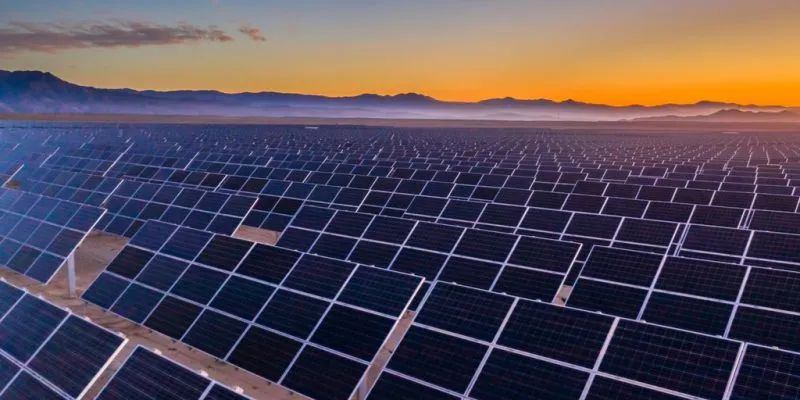
Wood Mackenzie expects distributed PV development to become a goal of policymakers in many important markets worldwide in 2022. Among them,As the focus of the global solar PV industry, China will continue to implement its county-wide promotion policy. Under the Notice on Submitting Pilot Plans for County-Wide Rooftop Distributed PV Development issued by China's National Energy Administration, strong support is given to opening up the distributed PV market, with pilot work on county-wide rooftop distributed PV development to be organized nationwide. The share of distributed PV in China's installed capacity will grow steadily and is expected to reach 50% by 2025, gradually becoming the mainstream of future PV construction.
In 2021, China's economy grew by more than 8% and electricity demand rose rapidly, with power consumption up 10%. Supply was tight in many regions — the highest annual growth rate ever recorded for the power sector of a major economy.
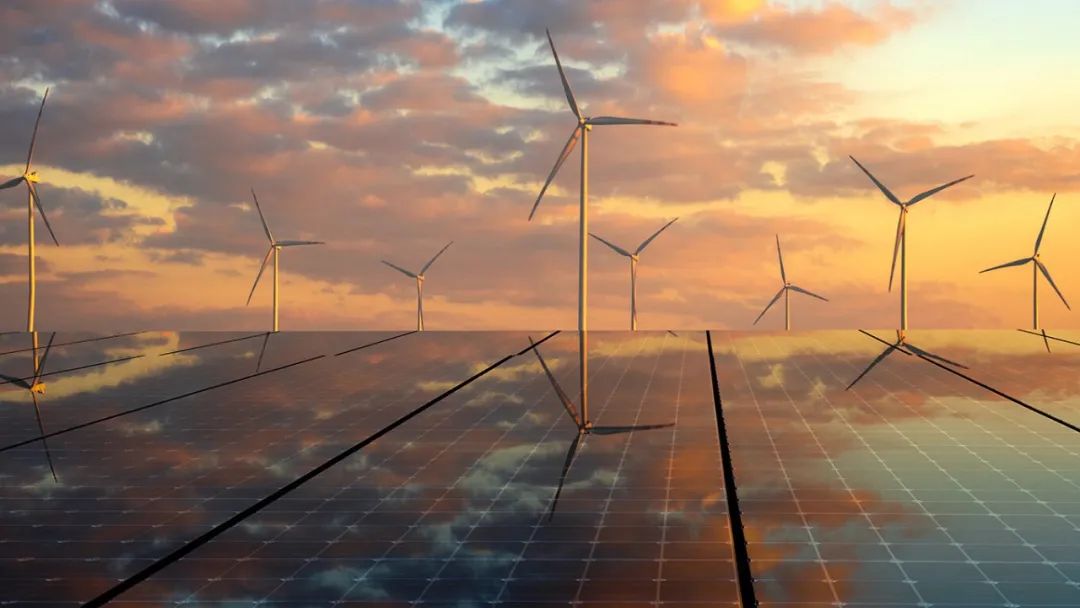
Surging investment in China's wind and PV markets, together withChina accounts for more than 50% of global wind turbine manufacturing capacity and more than 70% of global PV panel manufacturing capacity, will further aggravate the challenges facing an already strained global renewable energy supply chain.
The Chinese government's zero-tolerance approach to COVID-19 also means that pandemic prevention policy against Omicron will be upgraded in 2022 to stricter border controls and quarantine measures.The renewable energy supply chain may tighten further.
04. Economies Committed to Emission Reduction to Encourage Local Metal Production
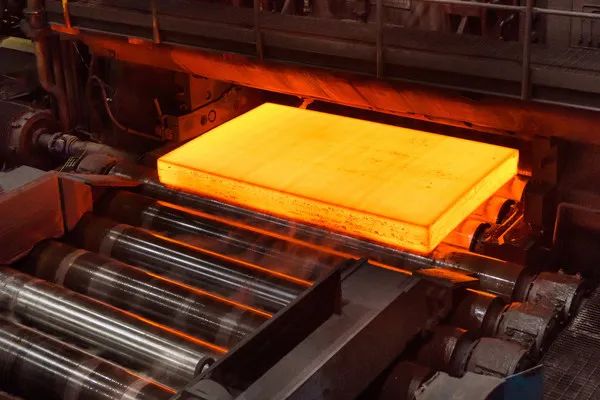
Wood Mackenzie believes that major economies that have pledged to accelerate decarbonization may follow China's example and begin supporting growth in domestic metal supply, especially the development of the metal raw materials important to the energy transition. Under the corresponding policy guidance, many investors, financial firms and miners will tend to give priority to meeting the growth in metal demand driven by climate commitments.
Wood Mackenzie expects oil demand to grow strongly in 2022. Global oil consumption will keep recovering and may return to pre-pandemic levels in the second half of 2022. However, rising COVID-19 cases have led governments to impose travel restrictions and cut international flights, so risks remain behind this forecast.
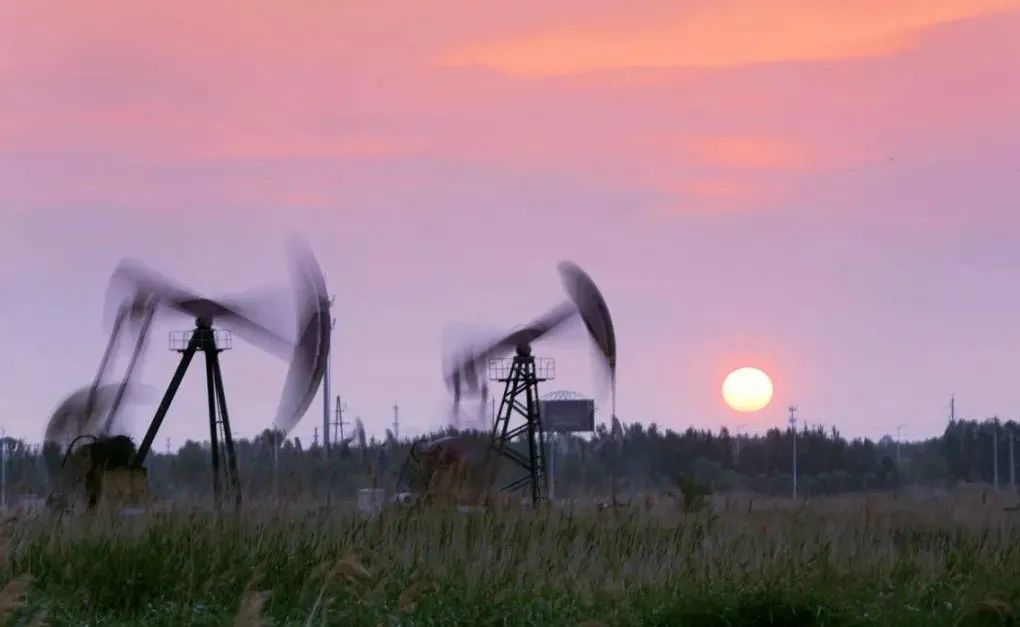
On global oil supply: in 2021 world oil supply averaged 98.28 million barrels per day, up 5.62 million barrels per day year on year. Wood Mackenzie forecasts an additional increase of more than 4 million barrels per day in 2022, matching expected demand growth, which should ease concerns about a potential supply shortfall. The global surplus in the first quarter is estimated at about 1 million barrels per day.
According to the International Energy Agency (IEA), however, global crude supply may rise by as much as 6.4 million barrels per day in 2022, up from 1.5 million bpd in 2021, while global oil demand is expected to grow by 3.3 million bpd in 2022, below the 5.4 million bpd of 2021.
06. Oil and Gas Majors to Achieve Significant Output Growth in the Permian Basin
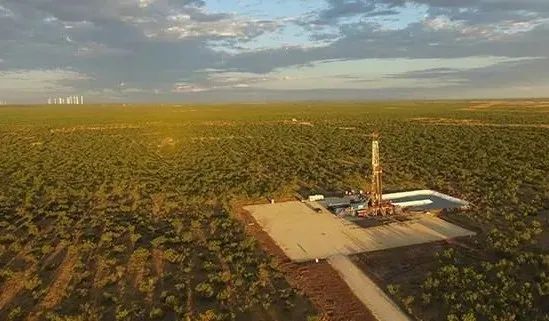
Wood Mackenzie believes that in 2022 large oil companies will be more active than smaller competitors in the Permian Basin. ExxonMobil and Chevron already produce 1.1 million barrels of oil equivalent per day in the Permian, and that figure is still climbing. ExxonMobil recently reiterated its goal of reaching 7 million barrels of oil equivalent per day by the end of 2024, while Chevron has raised its 2022 Permian budget by USD 1 billion year on year.
07. EVs to Capture Double-Digit Global Market Share for the First Time
In recent years, new government policies and stricter environmental regulations have strongly driven the development of electric vehicles. More countries have announced a ban on the sale of new gasoline-powered cars from 2035 as a major step toward net-zero targets. America's largest automakers, General Motors and Ford, have announced electric vehicle investment plans of USD 27 billion and USD 22 billion respectively.

As technology options for quickly decarbonizing fossil energy use, CCUS and low-carbon hydrogen have been deployed by oil companies at many points along the value chain. Internationally, for example, ExxonMobil has set up a Low Carbon Solutions business unit, plans to evaluate 20 CCUS projects worldwide, is working to commercialize emission reduction technology, and has announced a further USD 3 billion of investment in CCUS projects by 2025. In April 2021 ExxonMobil also proposed a CCUS project potentially worth up to USD 100 billion, which would collect carbon emissions from US petrochemical plants and store them in the Gulf of Mexico.
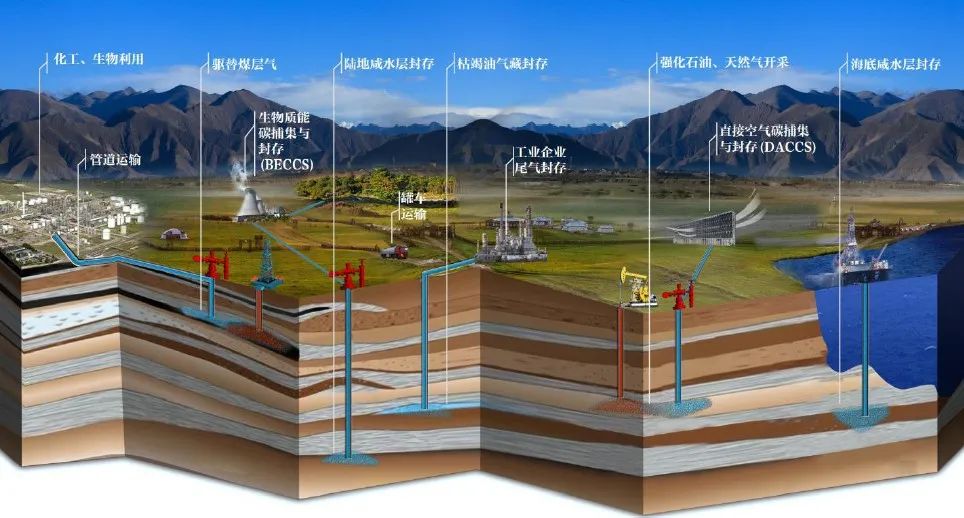
In China, ten PetroChina oilfields have launched CCUS projects; the Liaohe Oilfield has established a complete chain of CO2 capture, purification, cooling, transportation and injection, and the Xinjiang Oilfield CCUS center is one of the five CCUS centers in OGCI's global network. Sinopec's Shengli Oilfield announced last July that it would officially begin construction of China's first million-ton-scale CCUS project.
Wood Mackenzie believes that in 2022 oil and gas companies' investment in new energy will hit a new high and their strategic footprint will expand further. European oil and gas majors are focusing and investing mainly in wind and PV,But in 2022, their strategic plans for carbon capture, utilization and storage (CCUS) and low-carbon hydrogen will move from planning to more meaningful action. Some companies will be the first to mobilize substantial resources and seize the initiative — developing low-carbon projects and building new partnerships — taking concrete action to shape a low-carbon blueprint.
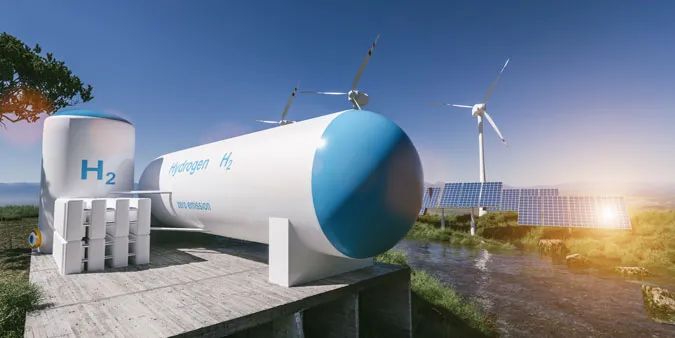
Wood Mackenzie notes that the Build Back Better Act now under review by the US Congress contains a proposal for a low-carbon hydrogen production credit of up to USD 3 per kilogram. If the proposal is passed, green hydrogen would be more competitive than grey hydrogen in some US states, especially in regions rich in wind and solar resources.
In 2021, under various supply-guarantee measures, we saw the elasticity of coal output, which is estimated to have reached the peak of effective capacity — China opened the taps on domestic thermal coal production. By the end of last year, monthly output hit a record high and quarterly productivity rose 10%. Coal inventories at coal-fired power companies were replenished, and Wood Mackenzie expects the government to cut coal imports by enforcing a stricter quota system.
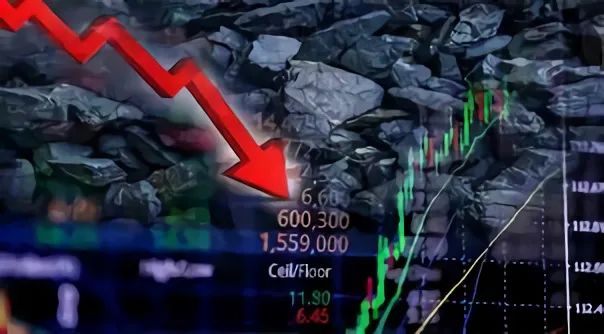
China will also lower domestic coal prices, gradually bringing down seaborne coal prices. Given that seaborne coal accounts for a quarter of the market, the impact is expected to be significant.